These four essays are about systematic risk in the U.S. in 2026. I cover the following four risk categories:
- The U.S. Federal Debt
- Artificial intelligence
- Climate change
- Donald Trump and the MAGA movement
This third essay is on climate change.

The Third Horseman – Climate Change
This section will be very short, not because it’s not the most serious threat facing humanity, but because you already know enough about it unless you’ve managed to avoid every newspaper and news broadcast over the last thirty years. There are only two species on earth that are unaware of the rapidly changing climate: 1) cicada nymphs that have been underground for the last seventeen years sucking on root sap; and 2) MAGA devotees of Donald Trump. Eventually the cicada nymphs will climb aboveground, shed their skins, grow wings, and say, “What the fuck?” Unfortunately, the MAGA people will go to their graves (very possibly from heat stroke) fully confident that climate change is, in the words of their master, a hoax.
Unlike AI though, the effects of climate change are well underway. Scientists first warned the world about a warming climate in the early 1950s. No one paid attention because they couldn’t feel it. It became noticeable to the average human at least thirty years ago. The only questions remaining are: 1) will it accelerate and if so, how fast and how far?; and 2) are there other types of environmental collapse that will occur that we are not yet experiencing (that is, we know the air is getting warmer, the oceans are rising, and storms are getting more intense, but does Mother Nature have something else in store for us?).
If you don’t think that climate change is a reality, just look at the insurance industry. The increase in natural disasters around the world has forced insurers and re-insurers to change the way they do business. First, insurance premiums have skyrocketed. U.S. homeowners’ insurance rates increased by an average of 27.0% between 2021 and 2024. Second, there are certain areas of the country where insurers stopped insuring homes due to consistent hurricanes, floods, tornados, and wildfires. Many California and Florida homeowners, especially those near the coasts, have lost the ability to obtain insurance at any price. Their homes are so exposed to the effects of climate change that they became uninsurable. This forced state governments to step in to be the home insurer of last resort. What does that mean? That means if you are a citizen of these states, you personally are now in the insurance business.
Sadly, we’ve seen many horrific events so far. For example:
- Miami has sunshine floods where the neighboring ocean doesn’t rise over the beaches. The water pressure forces the ocean downward and inward where it rises through the porous limestone which lies underneath South Florida. Sometimes there are two feet of water on the streets during sunny days.
- Louisiana loses one football field of land to the Gulf of Mexico every hour. There used to be thirty miles of mangrove swamp that extended out into the Gulf from the City of New Orleans. That swamp is long gone and is one of the reasons the city was devastated by Hurricane Katrina 21 years ago.
- Large geographic areas are experiencing aridification. The land is becoming increasingly dry with no expectation of returning to the former climate. These areas include the southwestern United States, eastern and central Australia, central Asia, and southern Europe.
- Two billion people live in areas where, during the hottest times of the year, temperatures rise to 140 degrees Fahrenheit, a temperature at which the human body loses the ability to cool itself. Central India is especially vulnerable. There are days when cars cannot be on the road because the tires will sink in the melting asphalt.
- Warmer temperatures are conducive for other species, such as the mosquito, to flourish in places and numbers formerly unheard of, leading to higher incidences of arboviruses such as malaria, dengue fever, and yellow fever.
- The disappearance of permafrost is having a similar effect. The Arctic is warming two to four times faster than the rest of the planet. The loss of ice and permafrost that has been there longer than modern man could release pathogens that were trapped under the ice before the appearance of modern man. We have no immunity to these pathogens if they appear. And who knows what the effect will be of the Arctic’s influence over global weather patterns.
- Once manageable forest fires have become maelstroms which consume entire towns. Think of Paradise, California, Lahaina, Hawaii, the Los Angeles suburbs in January 2025. Thousands of highly trained firefighters with the most sophisticated equipment are no match for these firestorms caused by high heat, dry vegetation, and fierce, sustained winds.
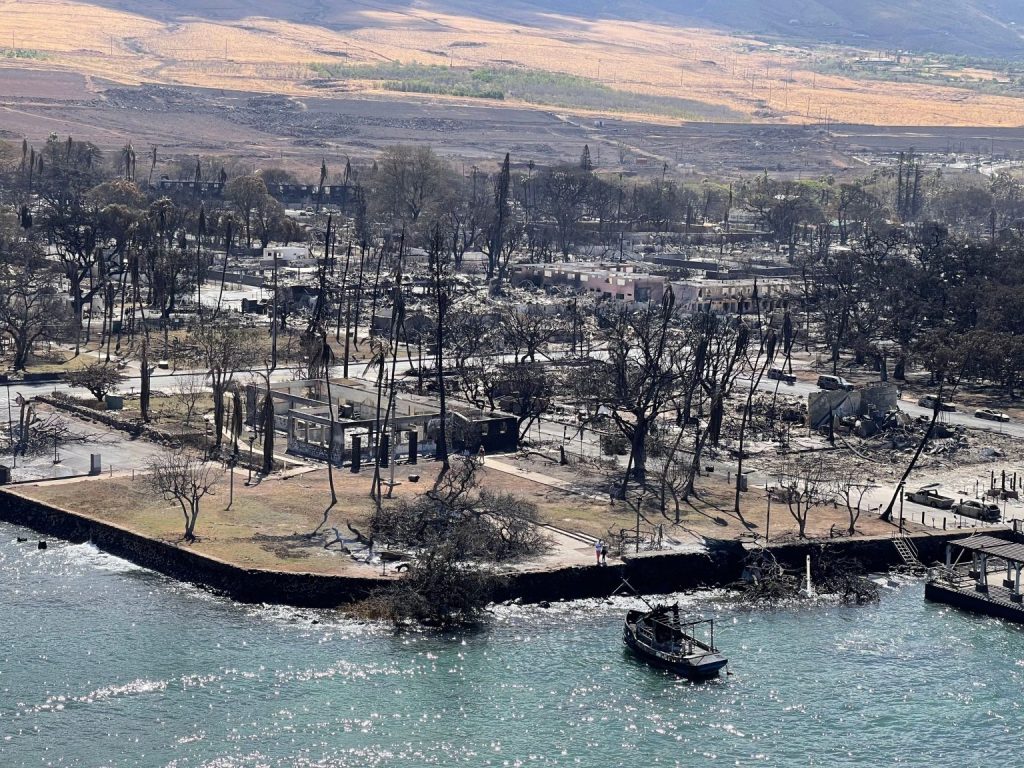
My wife and I honeymooned in Lahaina, Maui in 1992. Nobody is honeymooning there today.
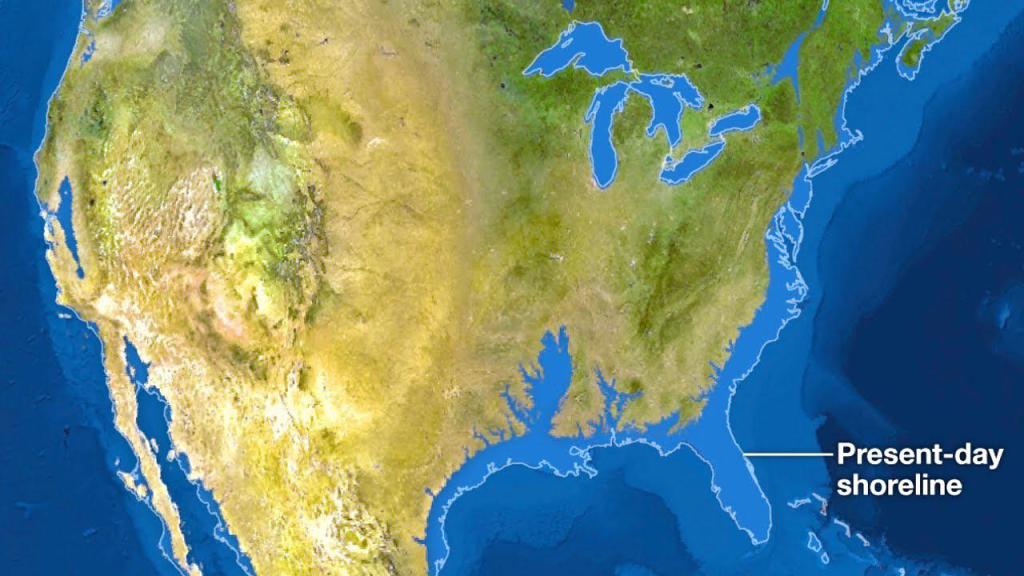
These events, as horrific and unprecedented as they are, are localized, allowing the rest of us not directly affected to put them out of sight and out of mind. Humanity so far is incapable of maintaining a sustained attention to its most pressing threat. One anticipated effect of climate change, which is forecast to occur within the next 100 years, will be a mass migration of humanity. If/when the ice caps melt, the United States would lose its entire eastern and gulf coasts, forcing most of the nation’s population to move inland. Combine that with a rise of 3-4 degrees in average global temperatures. This would render everything from the mid-South American continent up to the mid-north American continent uninhabitable. Everyone from northern Brazil up to Arkansas is either going to have to move south or move north. The same will be true in the eastern hemisphere
The worse news is climate change could very possibly be an extinction event. This could happen in many ways. One is a food chain collapse from the loss of key species unable to cope with a warming climate. Another is a breakdown of our ability to grow crops and access clean water to feed crops. It’s doubtful that mankind can experience any of these outcomes without resorting to violence. We’ve done so in the past with far lesser threats.
But there’s hope. The people who research AGI tell us that one day AGI, when asked for a solution to this problem, will come up with a cure for climate change. They don’t know how or when, but they say it could happen (all you need to do is invest your life savings in tech companies so they can build more data centers). I suspect that AGI, when asked how to stop climate change is more likely to respond, “You assholes, why didn’t you do something 50 years ago when you knew it was happening?”
What are humans doing about climate change? The Paris Agreement was adopted in 2015 and signed by just under 200 counties (i.e. virtually everybody). We all agreed to limit greenhouse gases and other warming contributors so that we could cap the rise in global temperatures to under 2.0 degrees, and hopefully under 1.5 degrees. That was 11 years ago. In 2024, the planet warmed by 1.55 degrees. Early indications are that 2025 will be around 1.5 degrees. Leaders say that the Paris Agreement has not yet been breached because the 1.5 degrees represented a long-term average increase over pre-industrial age averages. It did not refer to any single year. The problem is that climate change trends are consistently upwards. Not sideways. Not downward. Saying we have not broken the Paris Agreement is like the captain of the Titanic saying after seeing the iceberg that we won’t collide with it because we haven’t collided with it yet.
During his first term in office, Donald Trump pulled the United States out of the Paris Agreement. He insists that climate change is not happening. Realistically speaking however, the only difference between Trump and most of his fellow world leaders is that he denies climate change while his colleagues agree that it’s a reality. What they all have in common is that no one is willing to subject their country to the economic pain of curtailing greenhouse gases. It’s like littering. The streets aren’t going to look any better if I stop littering. Everyone has to stop, or no one will.
- John Barton
 The D'Town Essays
Leave a comment